

A hidden ecosystem inside modern washing machines releases odour-causing molecules with every wash
And a NASA-inspired enzyme method finally breaks down the cause instead of just masking it


Across Ireland, households complain about the same thing:
Their laundry comes out of the machine with a sour smell.
Towels that should smell fresh develop a strangely stale odour.
Duvets seem fine at first but carry a faint mustiness that lingers.
And even shirts that look freshly washed suddenly smell musty halfway through the day.

For families who take pride in a clean home, it is embarrassing and rather confusing...
Because laundry is meant to smell fresh.
And no matter how many times you wash them again, the problem keeps coming back.
For decades, everyone pointed the finger at the usual suspects.
Some blamed hard water...
Others blamed the damp...
And plenty of people thought their detergent had simply stopped working.
But behind the scenes, researchers were uncovering something far bigger.
They found that the smell was not coming from the clothes at all.
It was coming from inside the machine itself. In a way most people have never been told about.

After analysing university studies, official hygiene reports, microbiology journals and archived NASA data, one finding stood out:


Modern washing machines develop an inner ecosystem of their own.
It survives every wash cycle.
It feeds on the residue your detergent leaves behind.
And it clings to your clothes with almost every wash.
NASA engineers spotted the same pattern decades ago in the closed water systems of spaceflight missions.
In those sealed systems, warm water, constant moisture and a lack of air circulation created the perfect environment for microscopic communities to take hold and grow.
They clung to surfaces, built stubborn layers and released compounds into the air.
On the International Space Station, these deposits became so stubborn that they put vital equipment at risk.

And conventional cleaning methods simply could not reach the sealed-off areas where the deposits sat.
NASA was still looking for a solution at the time. But its early findings already showed a pattern that explains exactly what happens inside modern washing machines today.

Because if your laundry has taken on a sour smell...
If your clothes carry a trace of your dog's smell...
Or if something unpleasant hits you the moment you open the washing machine...
Then you are very likely dealing with the exact hidden environment researchers have been studying for years.
Appliance specialists class this as a contamination problem, not a cleaning problem.
But before we get to the NASA breakthrough that changed everything, you need to see what is actually going on inside the machine in your own home.
Because once you understand how this hidden environment forms, the smell finally makes sense.

And you can see why your washing machine cannot clean itself.
For generations, everyone assumed a washing machine cleaned itself.
Detergent in.
Start the programme.
And it rinses the rest away by itself.
But the machines in Irish homes today are no longer the machines of 20 years ago.
Modern washing machines use far less water, ever since the EU tightened efficiency requirements with the Ecodesign Regulation and the new energy label in the early 2010s.

To meet those requirements, manufacturers started fitting tightly sealed doors that hold moisture inside long after the wash has finished.
That means moisture stays in the appliance long after the programme ends, and the water is often reused during rinsing instead of being pumped out completely.
Over time this creates a closed environment that behaves less like a cleaning appliance... and more like a living ecosystem.
So every wash adds something new.
Detergent residue settles on the inner walls.
Loose fibres drift into corners where no water flows.
And piece by piece, a stable ecosystem builds up.

This ecosystem releases microscopic compounds onto your laundry with every wash.
That is exactly why the smell is so stubborn.
And until that environment is broken down, the smell always comes back. No matter how many times you wash the load again.
That leads to the question almost everyone asks sooner or later:
If the problem is inside the machine, why doesn't cleaning the machine help?

The answer is simple:
Because most of the "solutions" we have all been told to use only clean the surface. Things like:
Running a 90°C wash
Using more detergent
Pouring vinegar into the drum
Sprinkling in bicarbonate of soda
Running the "drum clean" programme
Wiping the rubber seal by hand
And all of it feels helpful, because the machine really does look clean afterwards.

But none of it reaches the hidden areas where the real problem sits.
Behind the drum lies a completely different world. One that most people never get to see.
One where moisture sits in sealed chambers long after the programme ends, creating areas that never fully dry.
One where a layer of residue slowly builds up on the outer tub, in the places where hardly any water moves.

And none of it responds to the usual home remedies.
It was only when researchers compared modern washing machines with other systems under similar conditions that the pattern became impossible to miss.
In both environments, reused water runs through the same channels over and over.
Moisture sits in sealed recesses that never dry out completely.
And residue builds up in layers in the very places heat and fresh water barely reach.
NASA had documented exactly the same behaviour decades earlier in the water systems of its spaceflight missions.

The deposits in those sealed systems did not behave like ordinary dirt.
They formed stubborn layers.
They bonded with fibres, fats, proteins and minerals.
And over time that built up into a protective shield that kept out heat, water and chemical cleaners.
Eventually NASA realised it was not dealing with a surface problem.
It was a structural one.
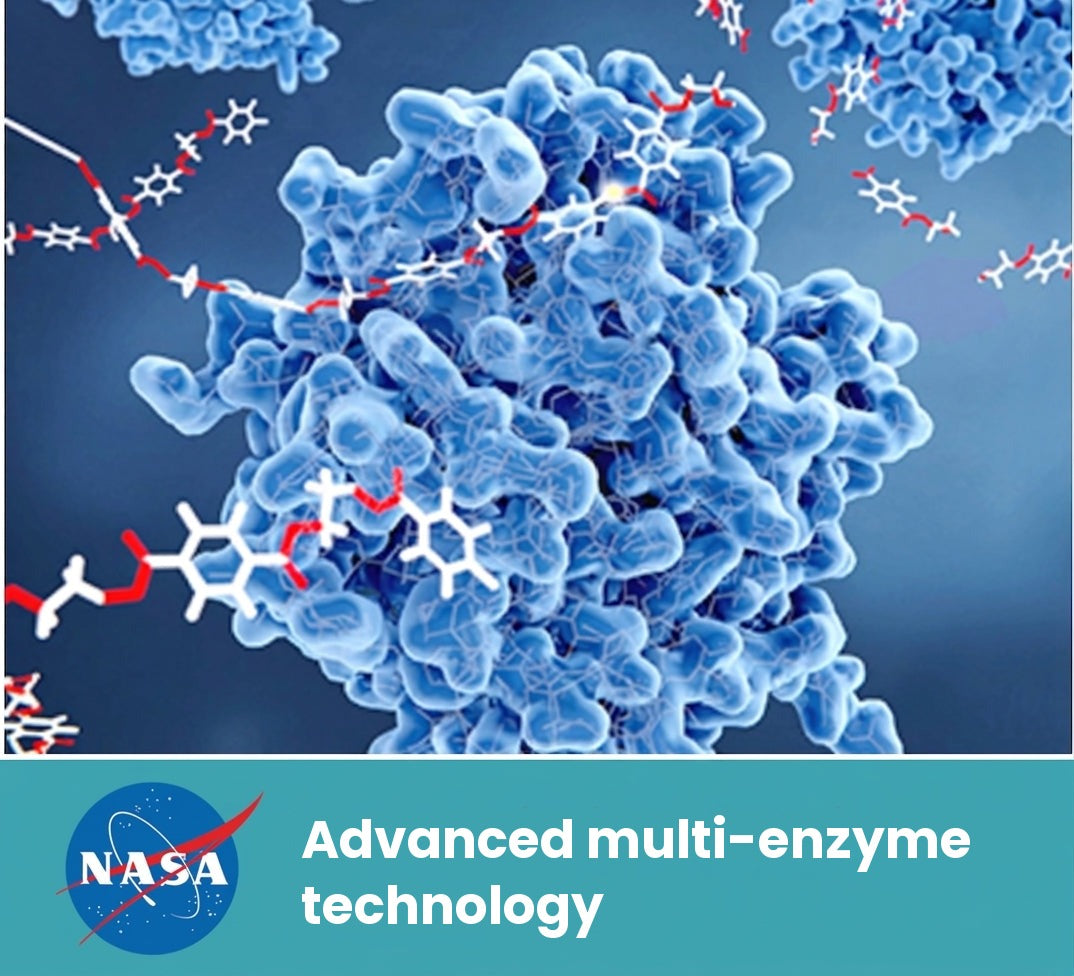
So its engineers scrapped conventional cleaning altogether and developed a targeted multi-enzyme method that breaks the deposits apart from the inside out.
- 1
One enzyme softened the protein layers.
- 2
A second broke down the greasy deposits.
- 3
A third attacked the microscopic fibres holding the structure together.
- 4
Once those layers were weakened, oxygen could finally reach deeper areas and lift away material that had been trapped there for years.
Piece by piece, that environment broke down.
That breakthrough showed researchers why the same approach works in modern washing machines too.
Modern machines behave like small closed systems, not like open household appliances.
And exactly as NASA found...
No heat, no vinegar, no bicarbonate of soda and no "drum clean" programme reaches the sealed-off recesses where the real deposits sit.

That realisation pointed the research straight at the multi-enzyme strategy NASA had developed when conventional cleaning failed.
Only one question remained: whether anyone could adapt that method for the machines in Irish homes.
A European brand recognised it early and began adapting NASA's multi-enzyme method long before the public ever heard about this problem.
And their results quickly became the most talked-about answer in household forums — to the very laundry smells no other method could shift.
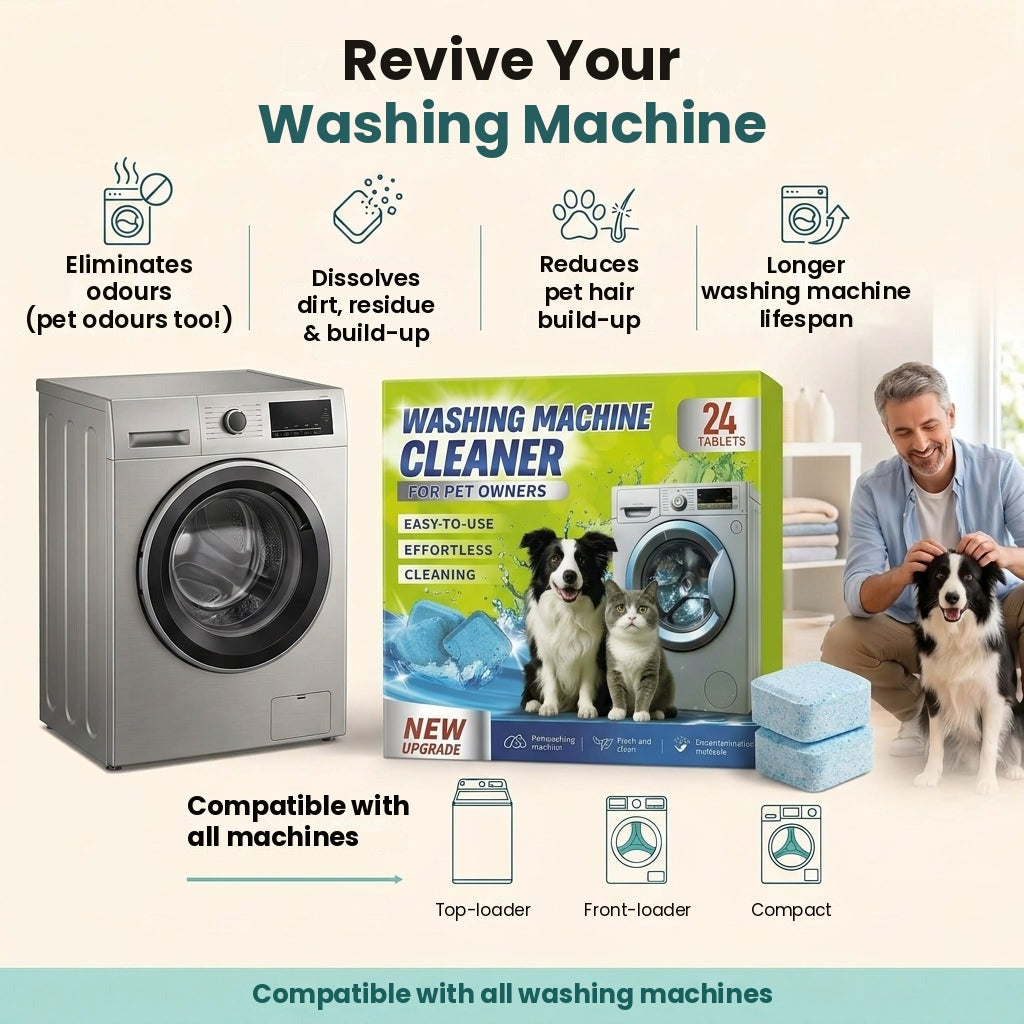
They developed a cleaning tablet that reaches the very areas you physically cannot get to yourself.

And right now it is spreading rapidly in homes with pets. For one reason only:
It removes the smell completely, while every conventional method only masks it.
The tablet uses the same mechanism NASA used to break apart deposits in closed systems.
Here is how it works:
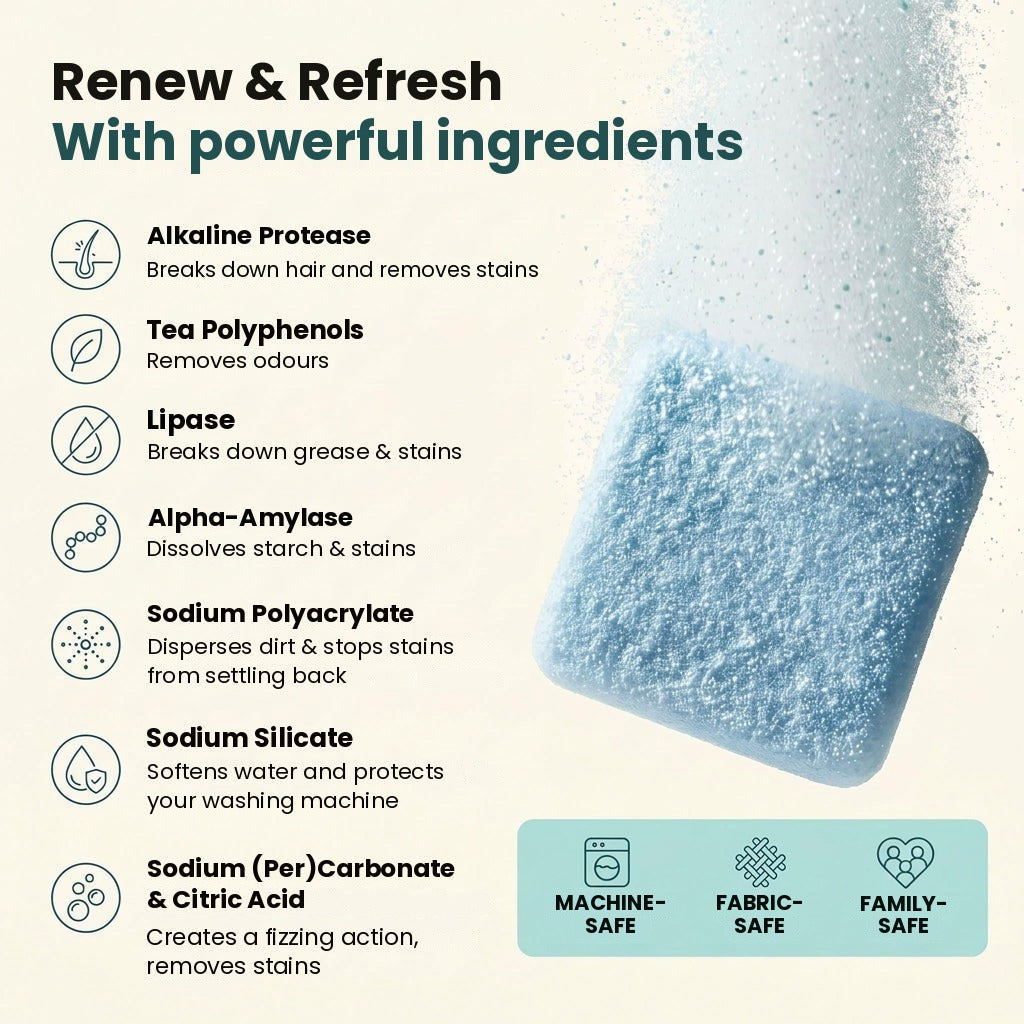
Every tablet contains an enzyme blend that begins to soften the deposits behind the drum.

Once the structure gives way, the tablet releases oxygen, which lifts the loosened material off hidden surfaces.

A surfactant pushes the formula into the narrow chambers water normally never reaches.

A chelating agent binds the minerals that anchor the deposits.

And sodium silicate protects the metal parts of the machine while the process runs.
What to expect after the first cycle
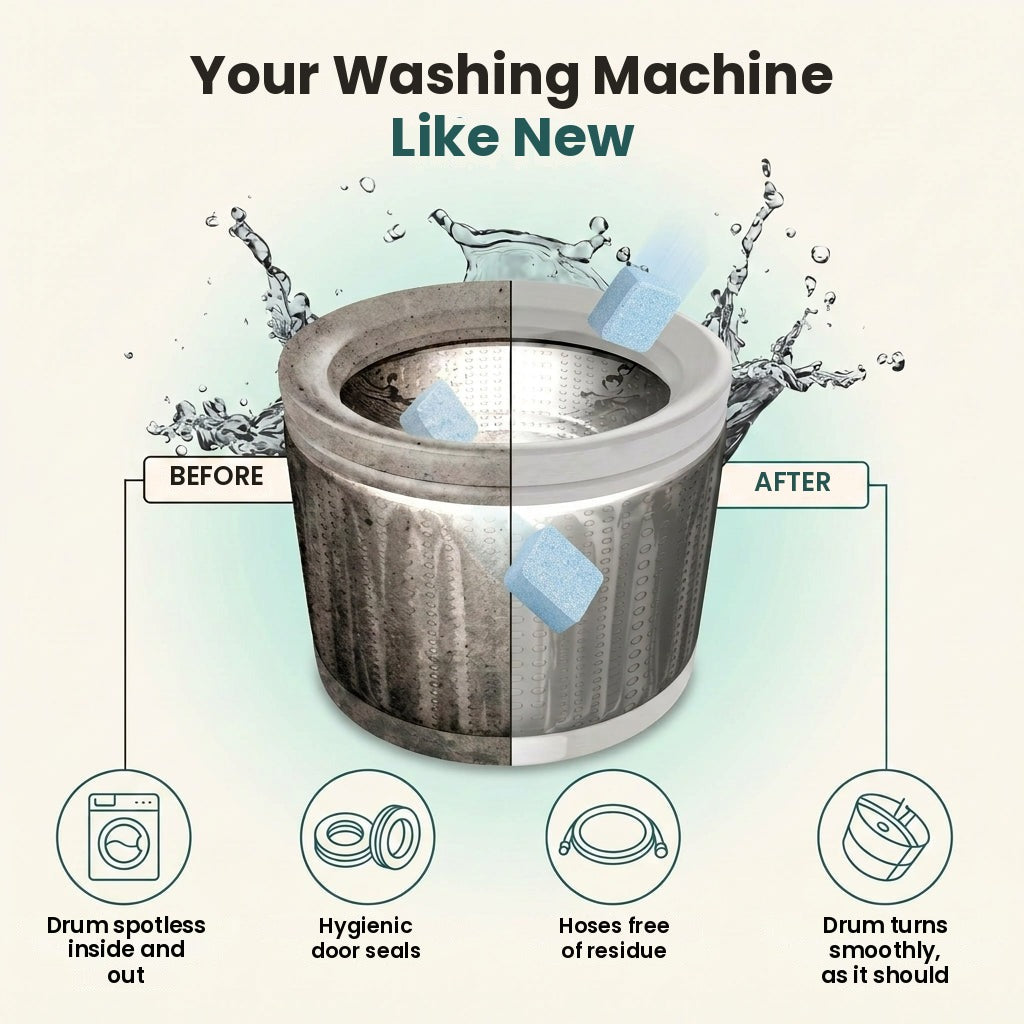
Most people are surprised by the water that drains out during the first clean: it is often grey or brown, and sometimes carries flakes of residue and clumps of hair. That is not the tablet – it is what had been sitting inside the drum, the seal and the pipes, loosened and flushed out in one go.
From the second cycle onwards the water runs much clearer, and that is usually the moment the musty smell is gone for good.

It cleans the parts of your washing machine you never get to see.
Exactly the parts where the smell starts.

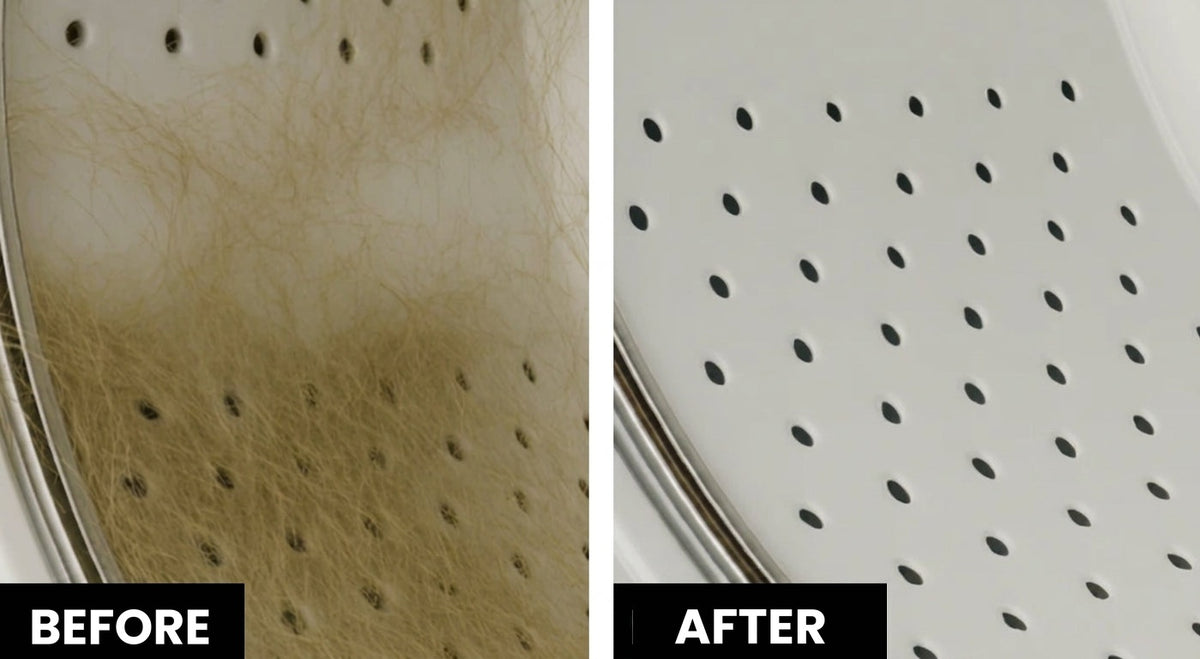
Pet owners notice the biggest difference, because pet hair breaks down into fats and microscopic fibres. Precisely the mixture NASA's enzyme method was built for.
It works because it was developed for the toughest closed water system ever built.

And now it is being used for the first time in washing machines in Irish homes.
If you have ever wondered why your laundry smells fresh for a moment and then goes back to the same old smell...
Researchers see this as a solution that could finally get to the real cause.
More and more families are now turning to it, under a name you may already have come across online:
NuovaGlam™ Washing Machine
Cleaner Pro.

It was developed by a European brand that has already delivered more than 100,000 orders to homes in Australia, Spain and France, among others.
But as more and more customers started asking about stubborn laundry smells, the brand dug into the science.
They saw the same pattern NASA had documented.
They saw the same conditions in modern energy-saving machines.
And they realised that no household cleaner had ever been built to reach the places where the problem actually starts.
So they brought the multi-enzyme strategy across from closed water systems and shaped it into a simple tablet for the home.
After months of testing with pet owners and with the households worst affected by stubborn smells, word got around...

People did not just see an improvement.
They saw something they had never managed with vinegar, bicarbonate of soda, hot washes or "drum clean".
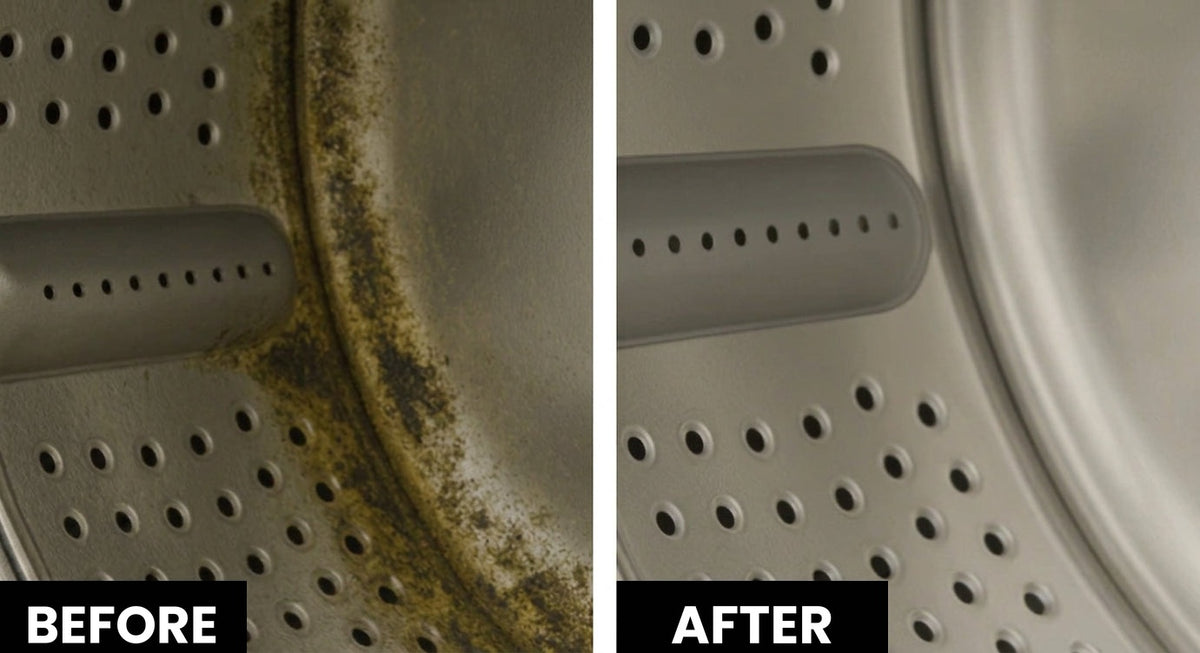
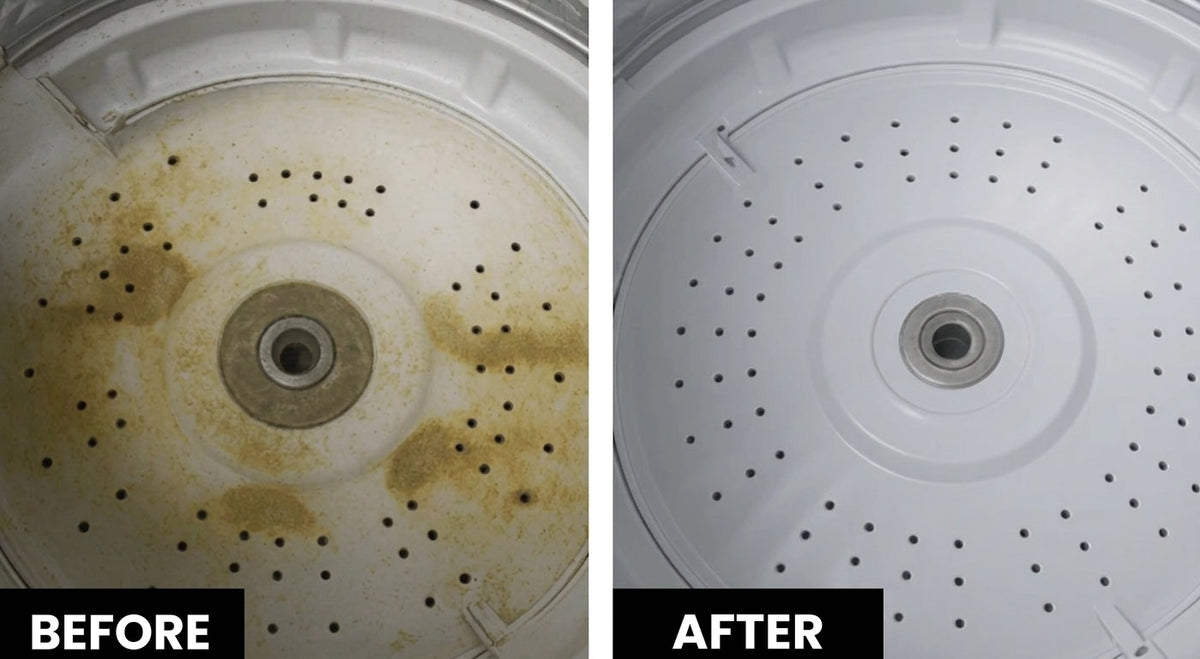
Mould & Mildew
Pet Hair
Dirt
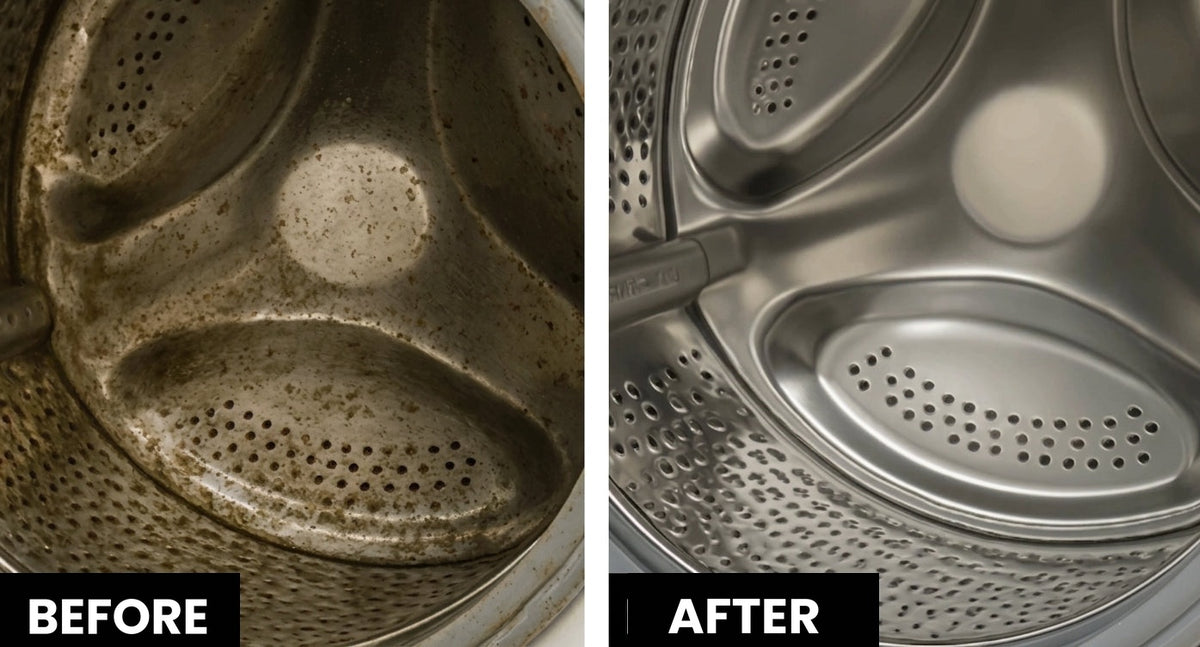
Detergent Residue
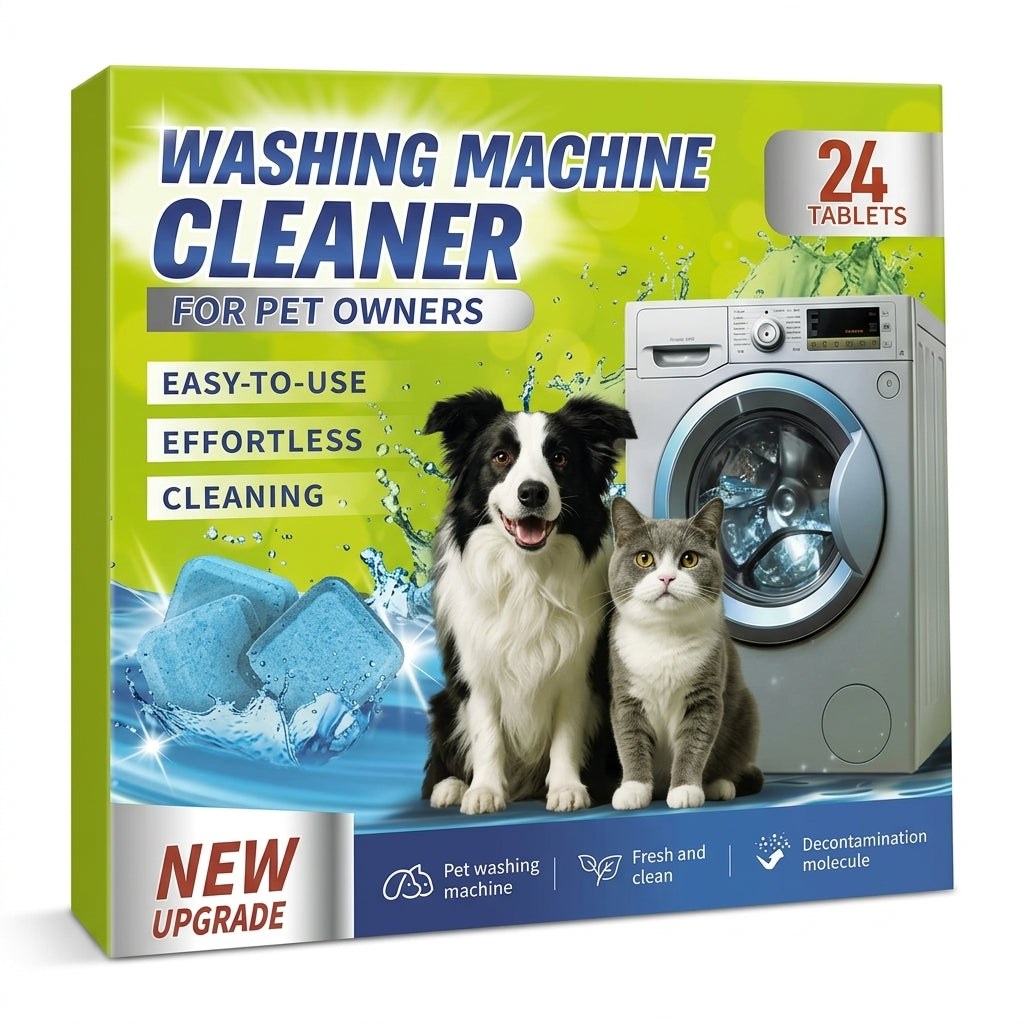
If you want to see whether the NASA-inspired enzyme method works in your machine too, there is only one place to get it:
The NuovaGlam™ Washing Machine Cleaner Pro is available exclusively through the company's official site.
 1 / 4
 2 / 4
 3 / 4
 4 / 4
And RIGHT NOW there is a limited introductory discount for new customers.
The current offer gives you up to 40% off, depending on the supply you choose:
24-tablet pack
49,95 €
2,08 € per tablet · about 4,16 € per month
for smaller households
- Most Popular
48-tablet pack
74,95 €
99,90 €Save 24,95 €1,56 € per tablet · about 3,12 € per month
for families who wash several times a week
- Best Deal
72-tablet pack
89,95 €
149,85 €Save 59,90 €1,25 € per tablet · about 2,50 € per month
for pet owners and anyone who wants to protect their machine in the long term
Experts recommend cleaning the machine at regular intervals to stay ahead of the deposits instead of waiting for the smell to come back.
Availability changes often, especially when the product is doing the rounds in household or pet communities.
You can check availability and current prices through the link below.
100-Day Money-Back Guarantee on the NuovaGlam™ Washing Machine Cleaner Pro
Free, tracked shipping to Ireland – delivered in 7–12 working days.
Easy returns – just one email to get started, no questions asked.